WOCAT
Welcome to WOCAT – the World Overview of Conservation Approaches and Technologies
WOCAT, the World Overview of Conservation Approaches and Technologies, is a global network on Sustainable Land Management (SLM) that promotes the documentation, sharing and use of knowledge to support adaptation, innovation and decision-making.
Events
WOCAT is represented at Convention on Biological Diversity Conference of Parties (CBD COP) through our ongoing project EbA Policy Mechanisms for Gender-Transformative Action. Together with FAO and the WeCaN community, partner presentations highlighted our gender-responsive SLM tool, designed to help project designers and evaluators collect vital gender-disaggregated data.
As the knowledge partner of the UNCCD, WOCAT was featured in the plenary sessions related to SLM and LDN knowledge exchange, capacity building and reporting, and shared latest SLM and LDN evidence, tools and insights during side events.
News
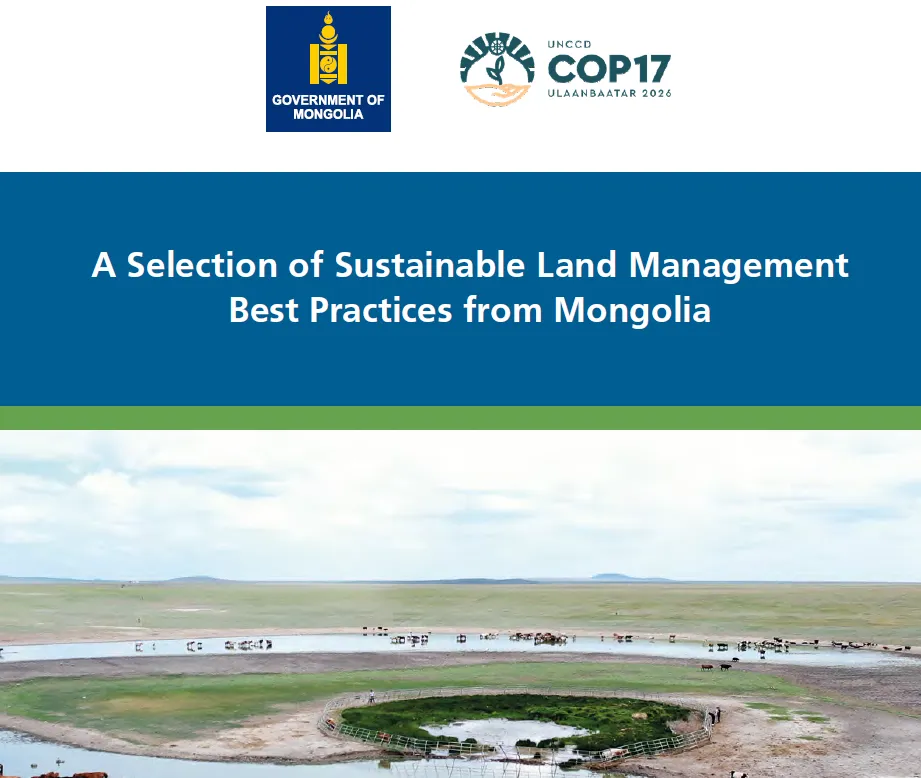
WOCAT supports UNCCD as a knowledge partner with different knowledge products that showcase how SLM knowledge is being generated, consolidated and shared to support LDN implementation worldwide. At UNCCD COP17, WOCAT and it's partners lauched the following knowledge products:
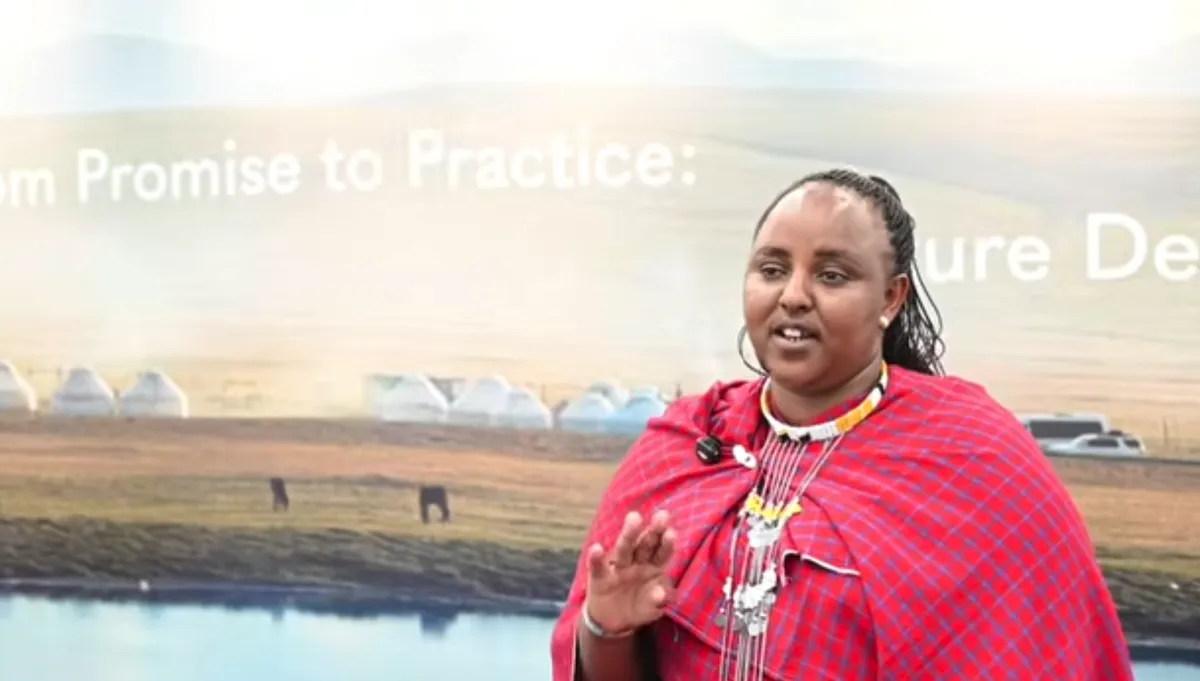
Five participants at UNCCD COP17, including FAO WeCaN members, share in interviews how training in advocacy and sustainable land management helps women bring local knowledge to global discussions. Discover their stories to learn how strengthening women's leadership advances gender-responsive climate action in dryland communities.
Learn more about the project here.
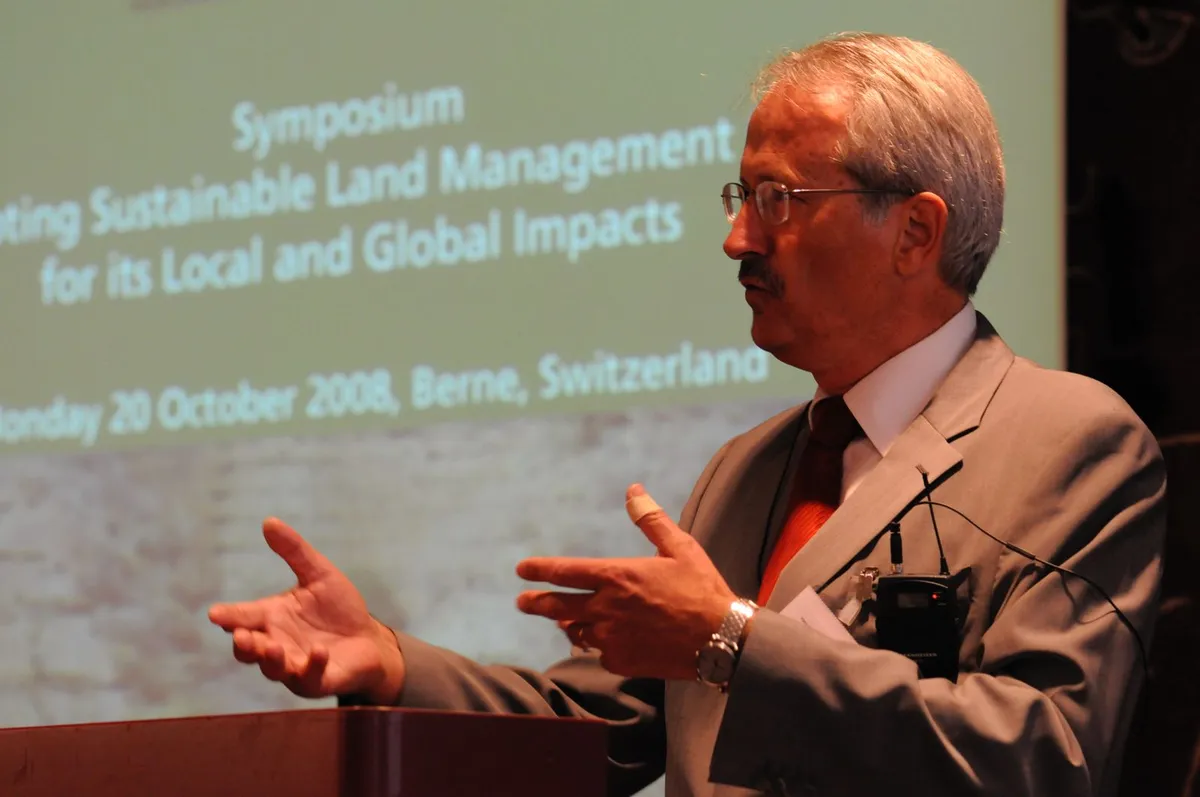
It is with great sadness that we share the news of the passing of Prof. em. Dr. Dr. h.c. Hans Hurni, initiator of WOCAT and a pioneer in sustainable land management. He passed away at the age of 75 on 27 September 2026. We are deeply grateful for Hans's vision, persistence, and commitment, and for the community he helped to build. Our thoughts are with his family, friends, colleagues and all those who had the privilege of working with him.
We invite you to read our full tribute to Hans and his contribution to WOCAT here.
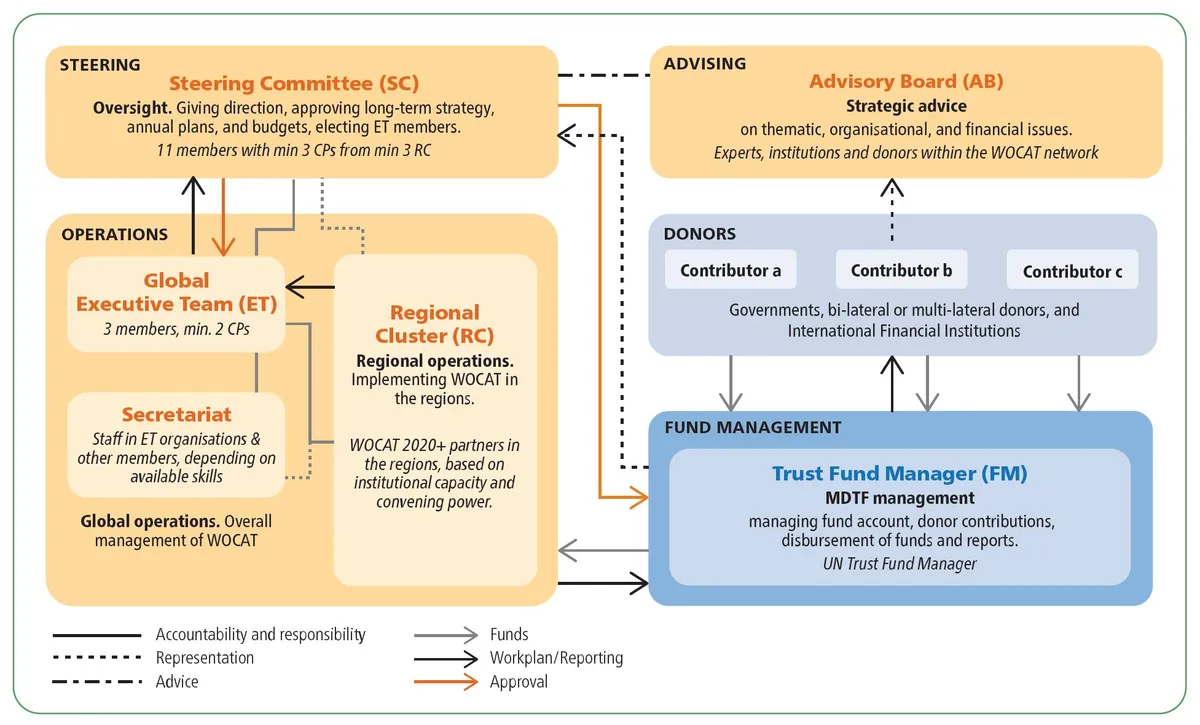
The MDBF, hosted by the UNCCD Secretariat, is a collaborative financial mechanism that pools donor resources to accelerate the global implementation of innovative SLM solutions, addressing critical gaps in knowledge and capacity.
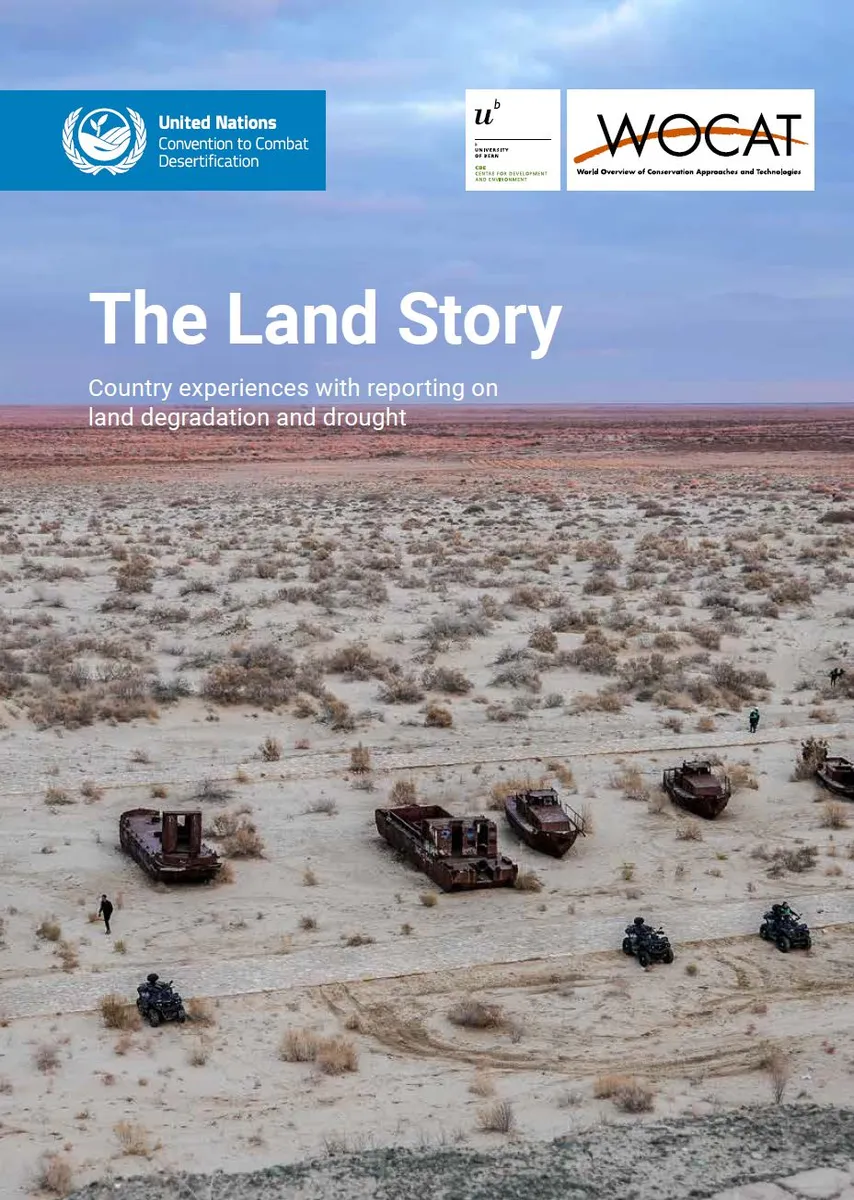
Are you looking for global or national good SLM practices compilations, guidelines, videos, factsheets, papers or other media?
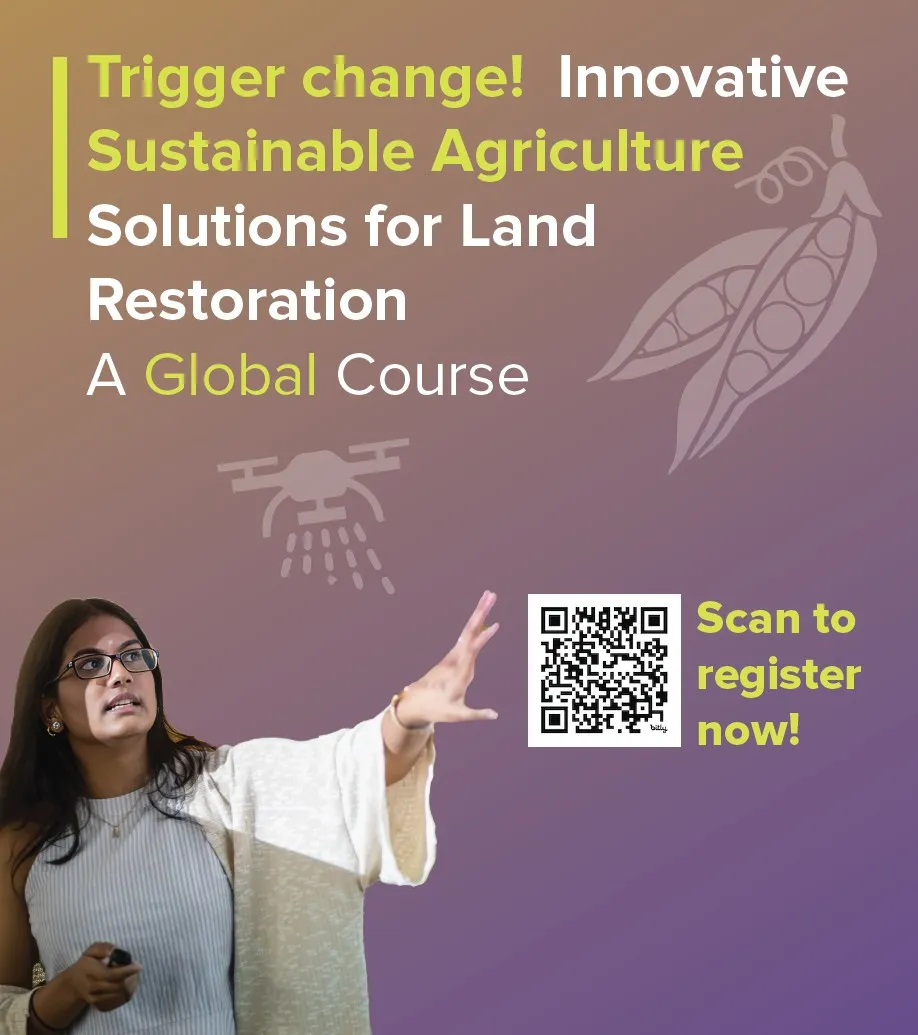
This new course, developed by a team of university professors and sustainable agriculture experts from around the world, serves as a comprehensive resource for educators. It targets university students and training institution participants worldwide enrolled in agriculture and related programs.
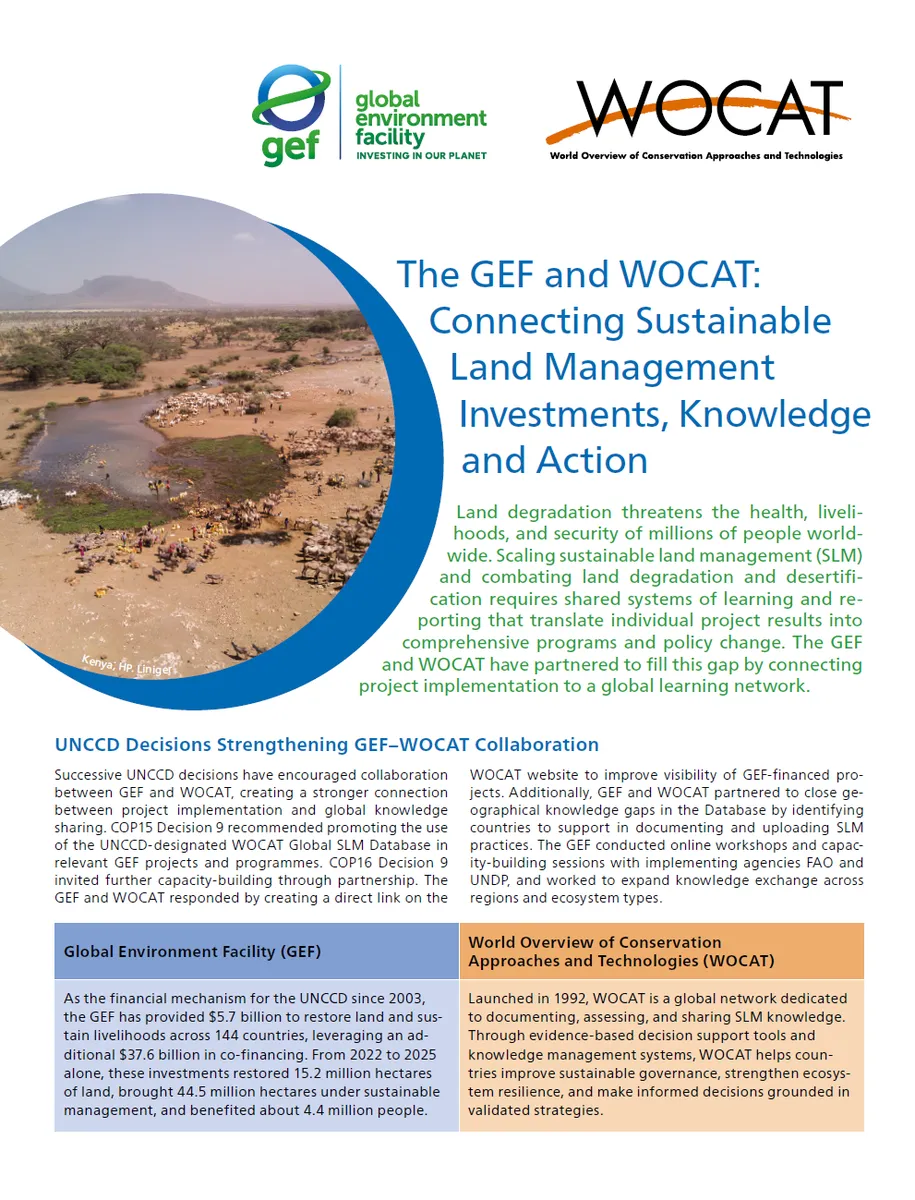
In the context of the Decision 9/COP.15 and 9/COP.16, WOCAT and the Global Environment Facility (GEF) are sharing a new two-page brief highlighting how their collaboration helps connect experience from GEF-founded projects and programmes with the WOCAT Global SLM Database - turning project-level knowledge into a resource for practitioners, policymakers and future investments.


Funding Partners